
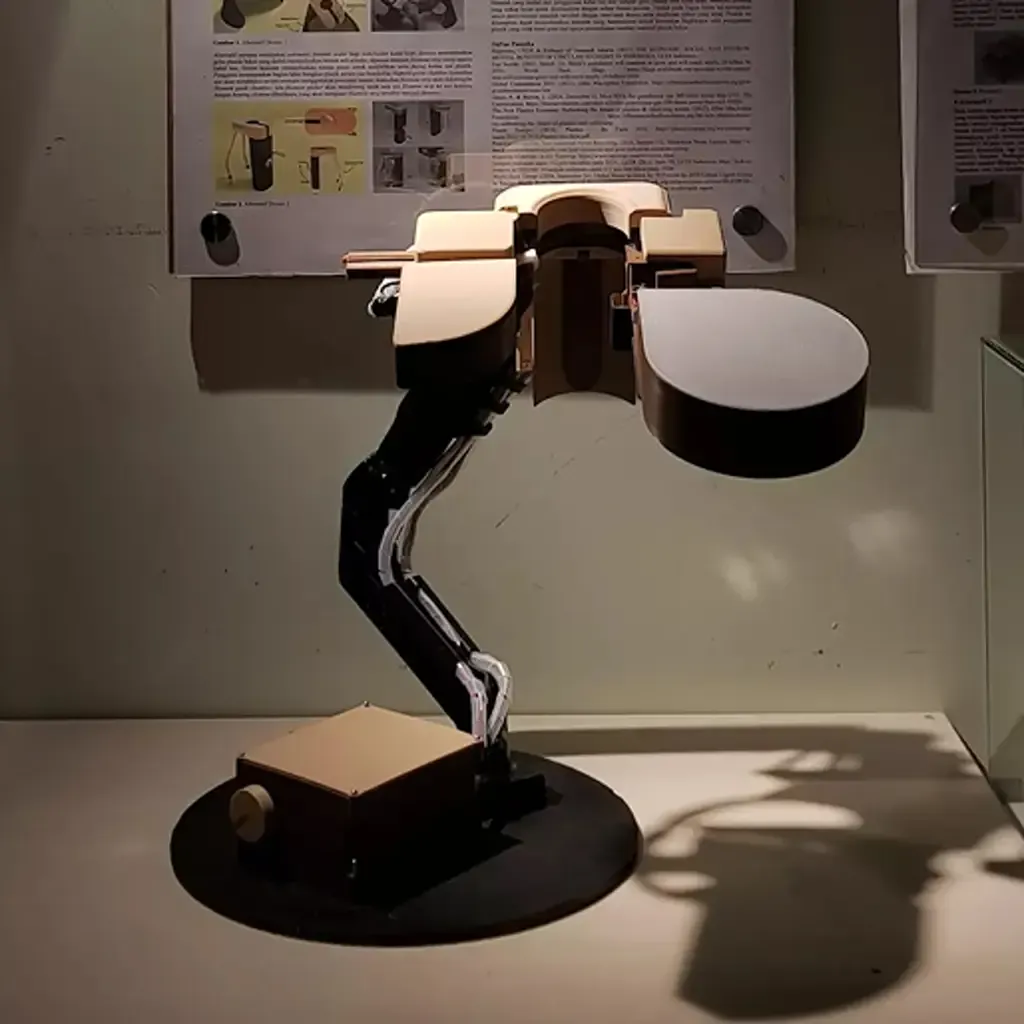
CABLIÉT
2022
What if a mundane environmental problem could be turned into a sustainable business?
details >
For my entire life,
I have been devoted to answering a single question:
How can I keep my love for the inanimate in an ever-changing world?
Hey! I'm Rivian Pratama, but call me Riv. Ever since I was young, I've always had a profound love for the things around me, until the realization of industrialization, consumerism, and impermanence erode our connection with the world around us.
I tried to tackle this through diverse fields— industrial design, waste upcycling, and AI—exploring areas from seaweed buoys to humane couture and empathetic AI.
My lifelong mission is to bring back our relationship with things, to counter the 21st century's depression & dissatisfaction epidemic. Here's my journey.
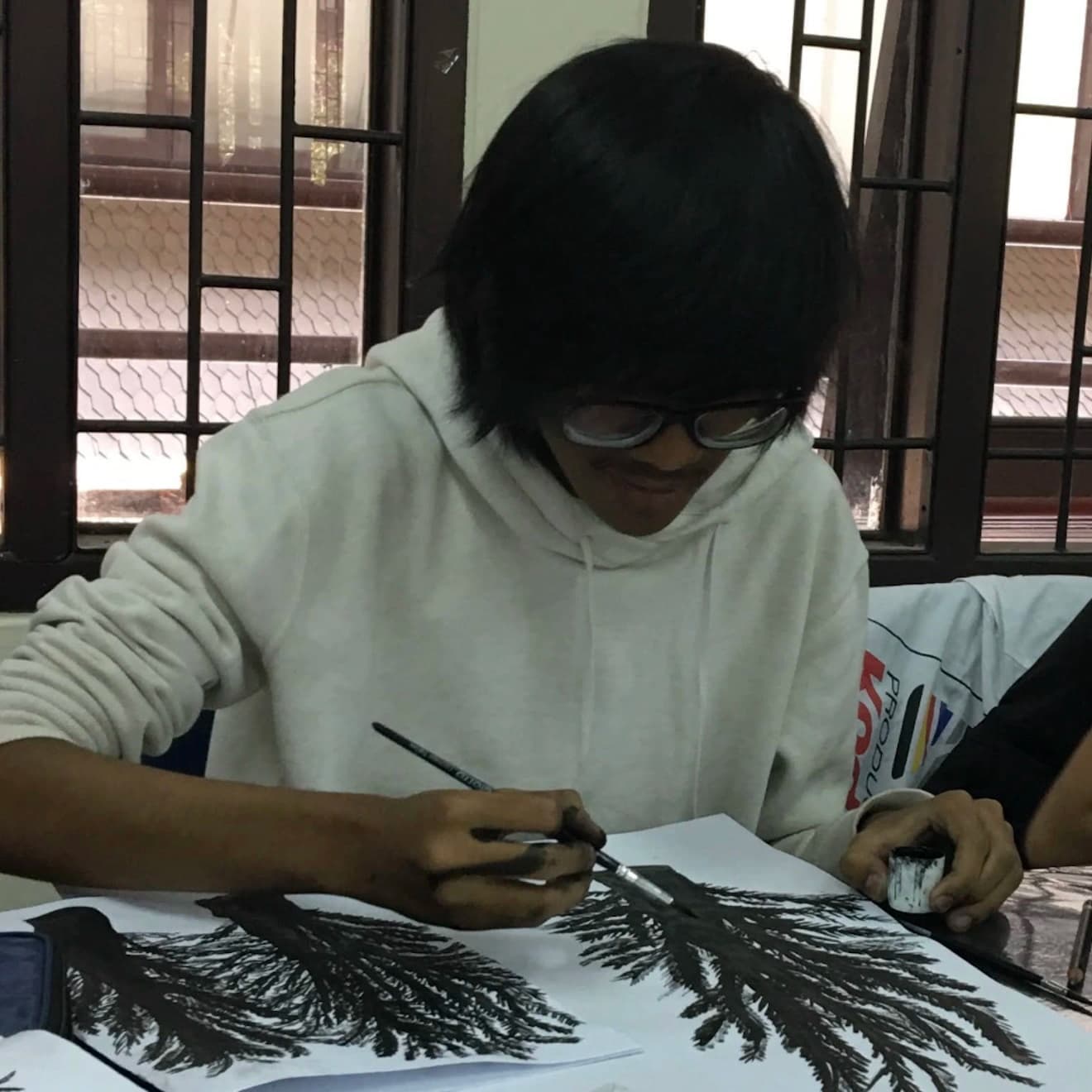
I studied Industrial Design because I wanted to build things I could love and keep for myself.
I saw that many unsold products went straight to landfill :(
and people at the company treated it as normal.
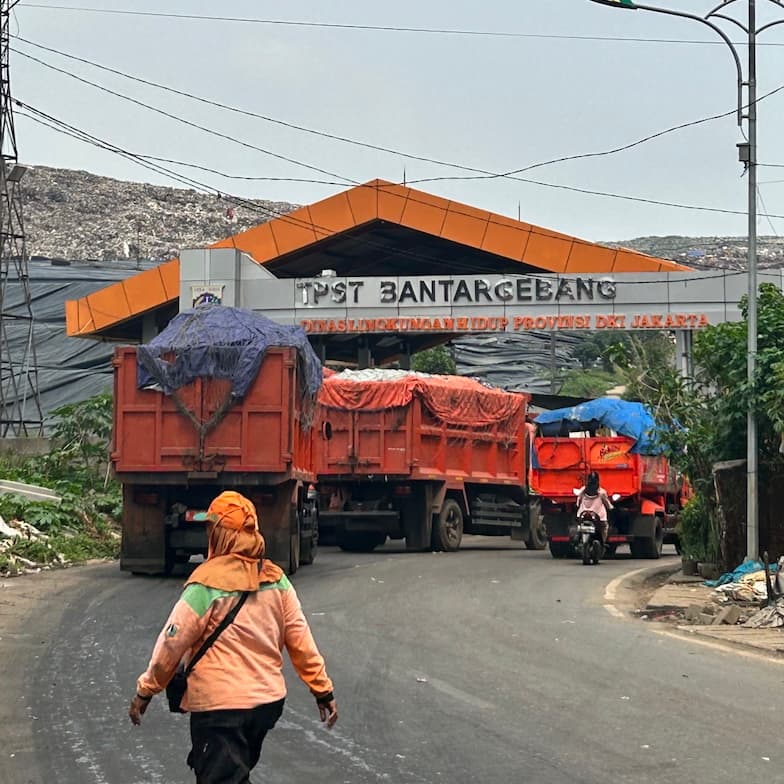
Can we honestly face the consequences of our own inventions?
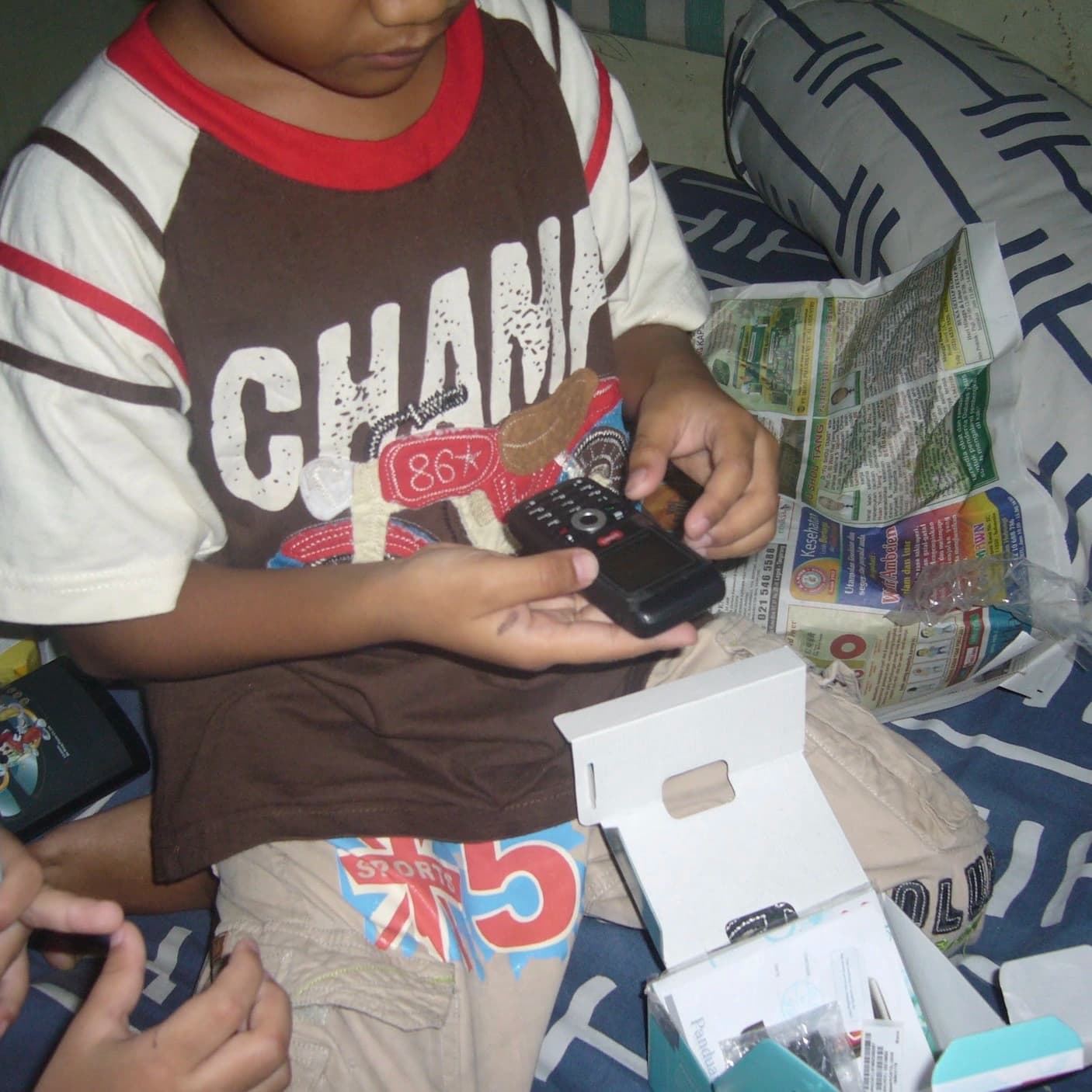
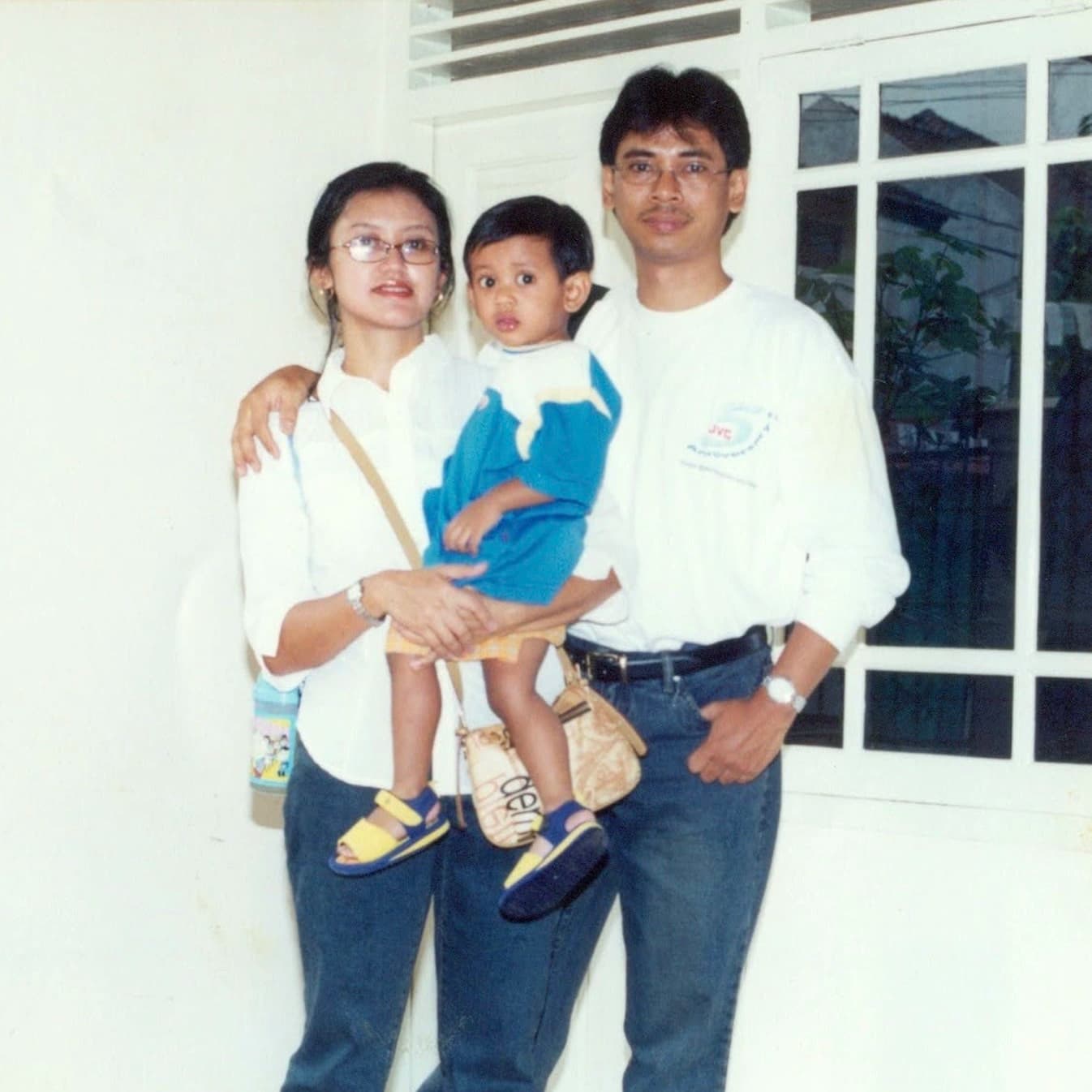
I was born in 2000 in a family of engineers and architects.
I was always curious about the objects around me and kept asking how they worked???
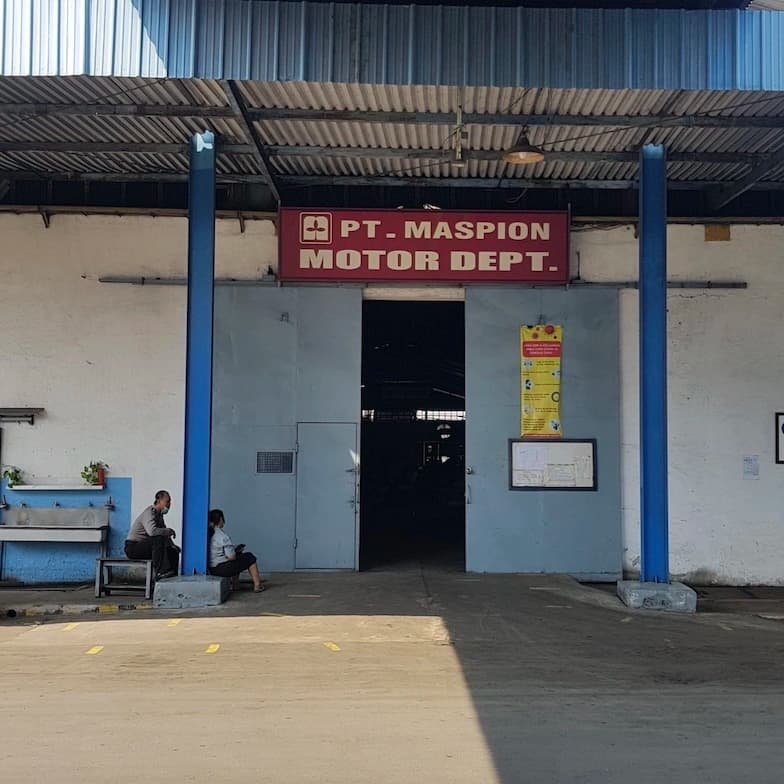
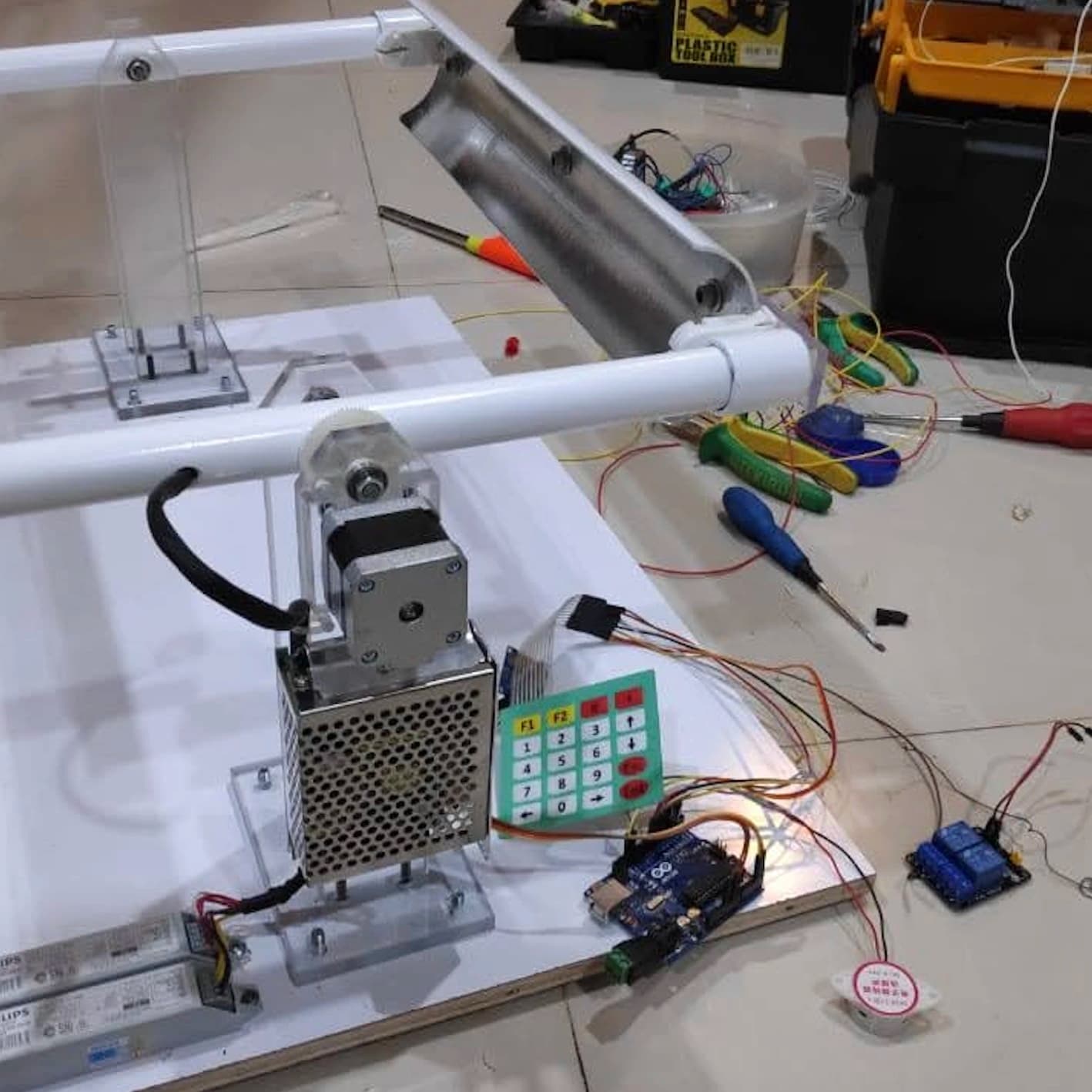
Later I interned at a big consumer product company in Indonesia, and that experience changed my view of design.
As my journey continued, I changed how I thought about design and began to ask what happens when products made to help people quietly create new problems instead?
????
I was born in 2000 in a family of engineers and architects.
I was always curious about the objects around me and kept asking how they worked???
I studied Industrial Design because I wanted to build things I could love and keep for myself.
Later I interned at a big consumer product company in Indonesia, and that experience changed my view of design.
I saw that many unsold products went straight to landfill :(
and people at the company treated it as normal.
As my journey continued, I changed how I thought about design and began to ask what happens when products made to help people quietly create new problems instead?
Can we honestly face the consequences of our own inventions?
????
Through my early projects, I explored material upcycling. I believe every material, even the most insignificant, has its own intrinsic value that can be elevated through design.
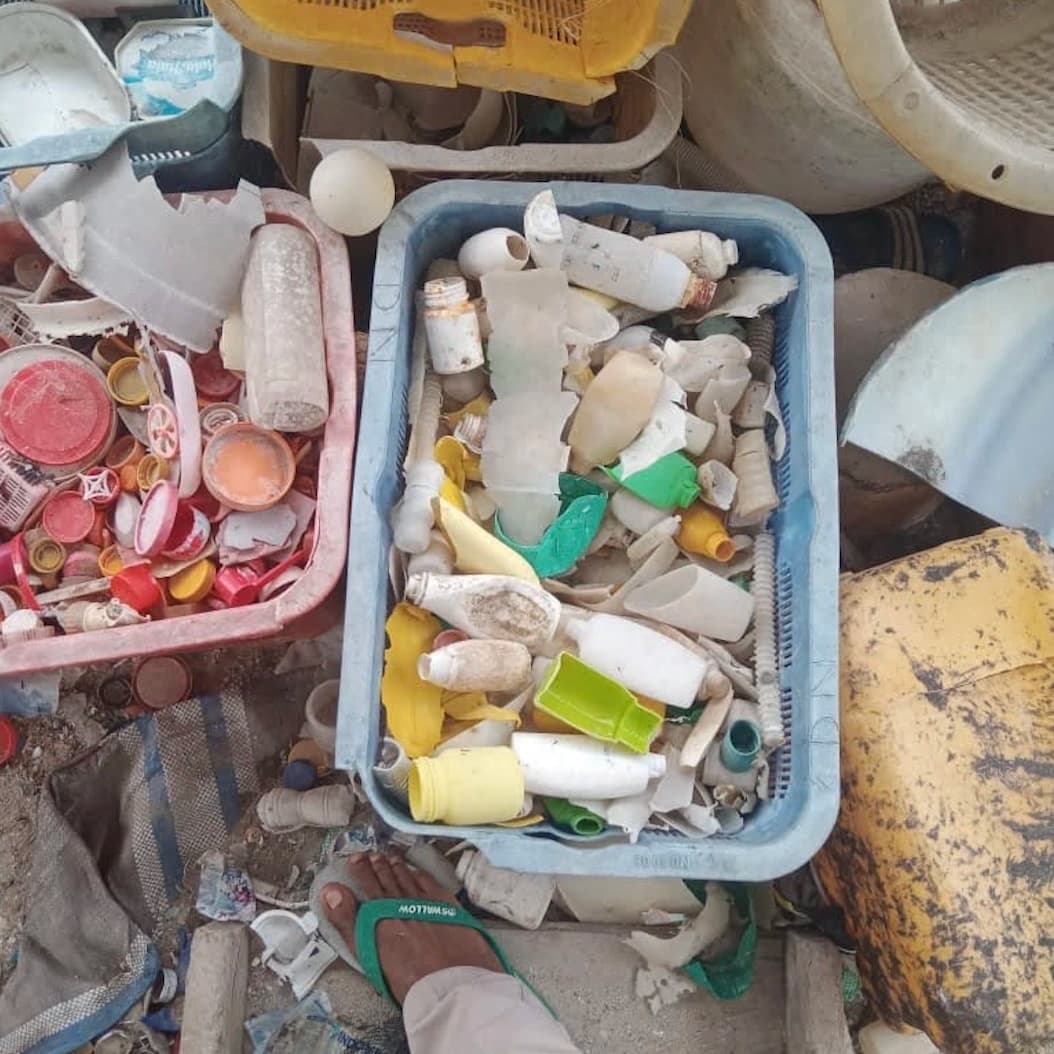
I joined a research team in Selayar Island to explore how very mundane waste could gain new value when it supports seaweed farmers whose boats and tools depend on affordable materials.
We worked with seaweed farmers in Selayar to turn plastic bottle caps into buoys using custom molds and open-sourced parts, so the same process could support small creative economy on the island.
The buoys worked well and it started conversations with seaweed farmers and other locals about changing the process to make small products like keychains and simple merchandise. It made me think about how this upcycling model from Selayar could grow further into a bigger scale.
From Selayar’s experience, I wanted to see if the idea of giving new value to “zero value” material could also live in high couture. So I collaborated with one of Indonesia’s most prominent fashion designers to explore this potential.
!We explored an experimental footwear concept for Jakarta Fashion Week using novel material fabrication and generative design that ergonomic and beautiful on the red carpet, while questioned the usual sacrifice of comfort in fashion.
The shoes felt impressive as a concept, yet we faced strong limits in cost, timing, and access to production methods in Indonesia, which turned into a unfinished project. In that situation I had to ask how I could keep developing this direction when the advanced production tools are not accessible?
?After learning from those earlier hurdles, I wanted to shift my focus toward ways of elevating material value that were more scalable and accessible by me, instead of depending on limited production systems.
I realised that education and campaigns which train us to be critical about the materials around us can begin in childhood, so I asked what might happen if I turned that idea into a popular interactive media for kids.
I created Upcycled 2045, a visual novel game for children set in a dystopian year 2045, where they work in an upcycling workshop and slowly uncover a twist at the end of the story.
The game worked well as a concept, but its impact was limited by the medium, since it had to compete inside a crowded entertainment market. That experience made me question how I could reach more people by using a different medium that is more scalable than a single indie game?
After the video game, I wanted a more scalable way to talk about waste, so I turned to urban space medium and asked how a very familiar trash bin could feel more friendly and intimate.
!I created BABBLIN, a waste bin with playful anthropomorphic eyes powered by AI so the bin responds to the context of where it is placed and feels more like a character than a cold object.
Many people did not fully understand the deeper reason behind it, which was supposed to invite more reflection about their surroundings through simple visual cues. That issue led me to ask how I could make this contemplative layer stronger?
?After BABBLIN, I wanted people to become even more contemplative about their surroundings through storytelling rather than only through simple visual cues.
I developed Sitting with Jakarta as an art exhibition concept where a chair tells its own life story as a sentient being, with memories, personality, and a view of Indonesian society shaped by different owners and places.
The digital Object-Oriented Ontology prototype worked well and I felt genuinely amazed by how the AI could carry the ‘voice of the chair’, although the work still exists mainly as a proposal rather than a fully realised public installation.
During previous explorations I started to feel closer to a long held dream, where we can empathise with immaterial objects through an AI embodiment that lets them converse with us on a visceral level.
In the middle of algorithmic social media, I sensed that AI already reads our behaviour and desires (surprisingly) very well, so I began to ask how we could use the power of AI in a conscious way, instead of letting it quietly use us.
I built Lauren’s Crib, an experimental AI chatbot that serves as an empathetic relationship advisor using the unfiltered data of our deepest thoughts, a chat messages we share with loved ones
It remains my most controversial work because it pushes the boundary of privacy. The AI responded with a level of warmth that felt uncanny and unlike anything I had seen before. I'm not sure what the ethical limit is, and I keep asking whether we are allowed to trade privacy for technological empathy.
Well, I felt like we’re moving into a century where new technologies arrive faster than our culture can fully absorb them. Today it looks like AI or rapid manufacturing, tomorrow it will be something else. As life speeds up, everything starts to feel like temporary sets that get replaced almost as soon as they appear. People begin to lose a sense of weight and meaning in the things that surround them every day. We become much more dissatisfied with everything despite being literally in the peak of the ease of living era.
Loving the inanimate, for me, means giving people the agency to decide which things matter, to notice how they age, and to let them hold memories. My hope is for a future where new technologies help that empathy grow, where progress feels like a deeper conversation with our surroundings instead of constant escape from them.
2022
What if a mundane environmental problem could be turned into a sustainable business?
2022
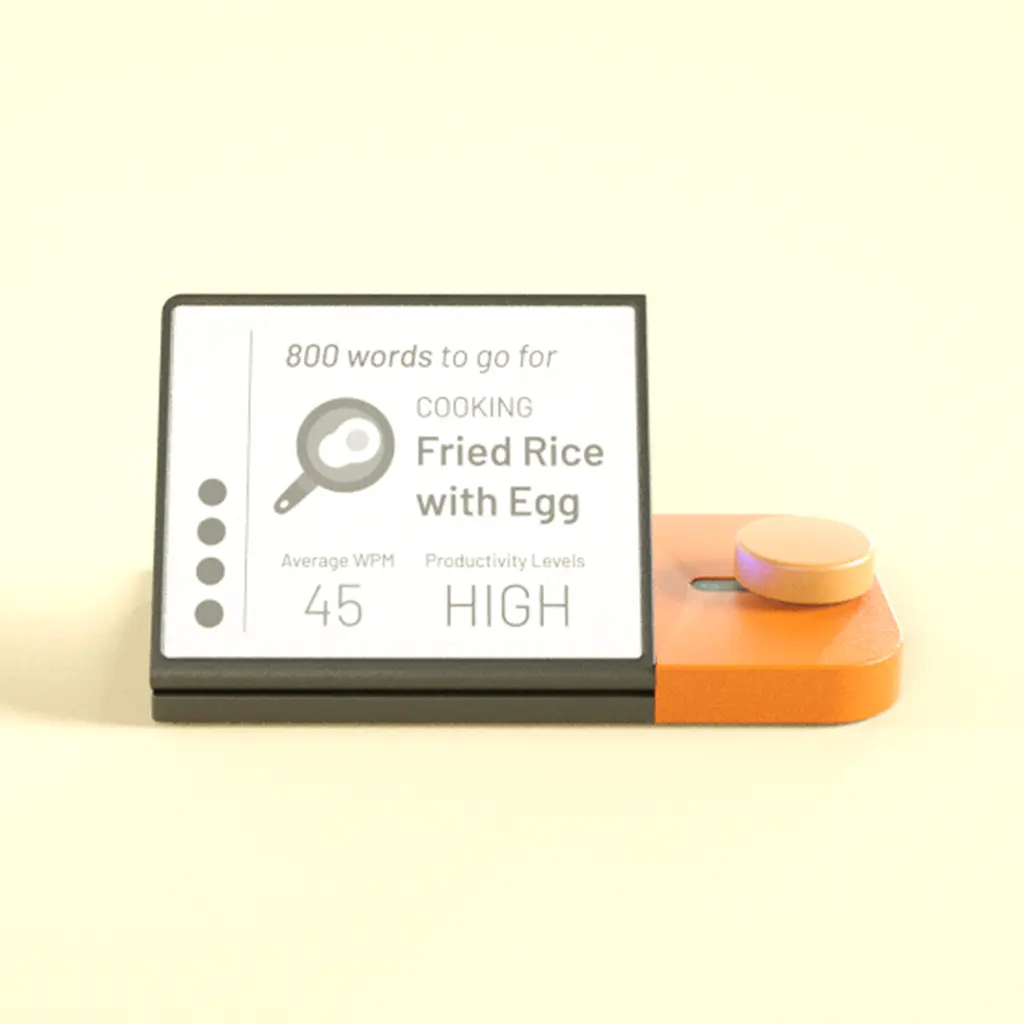
What if there’s a handheld that turns messy routines into progress?
2024
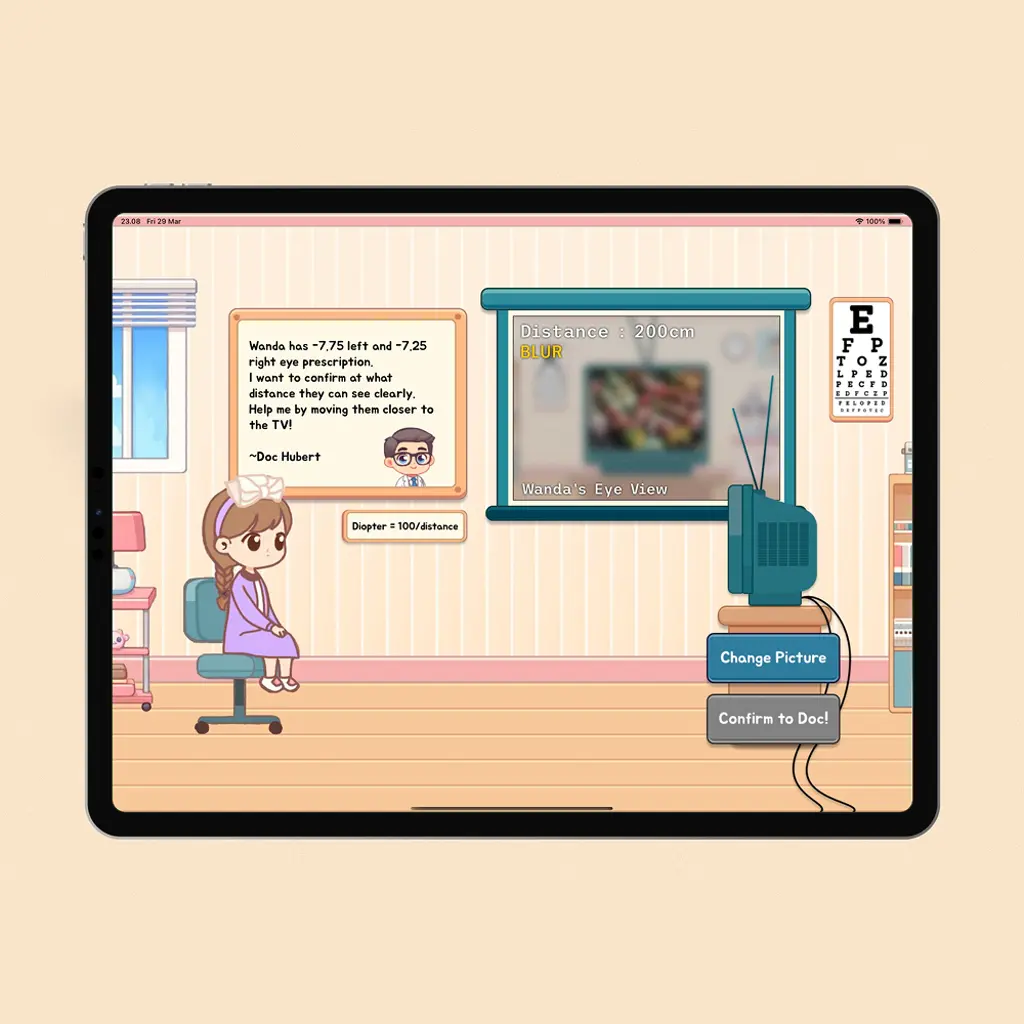
What if children could imagine how the world looks through myopic eyes?

2025
What would a car look like if my nation were in the midst of nuclear winter in 2045?